(06)My name is Fabrizio, and VivaTTerra grew from an interest in turning overlooked ecological and economic value into viable, resilient market opportunities.
The idea began in 2022 while I was conducting research in Madre de Dios, in the Peruvian Amazon. There, small-scale gold mining is an important source of income for many families, yet the use of mercury in extraction contaminates surrounding soils, waterways, and food systems. Research in the region has found elevated mercury exposure among communities living near mining areas.1 2 3
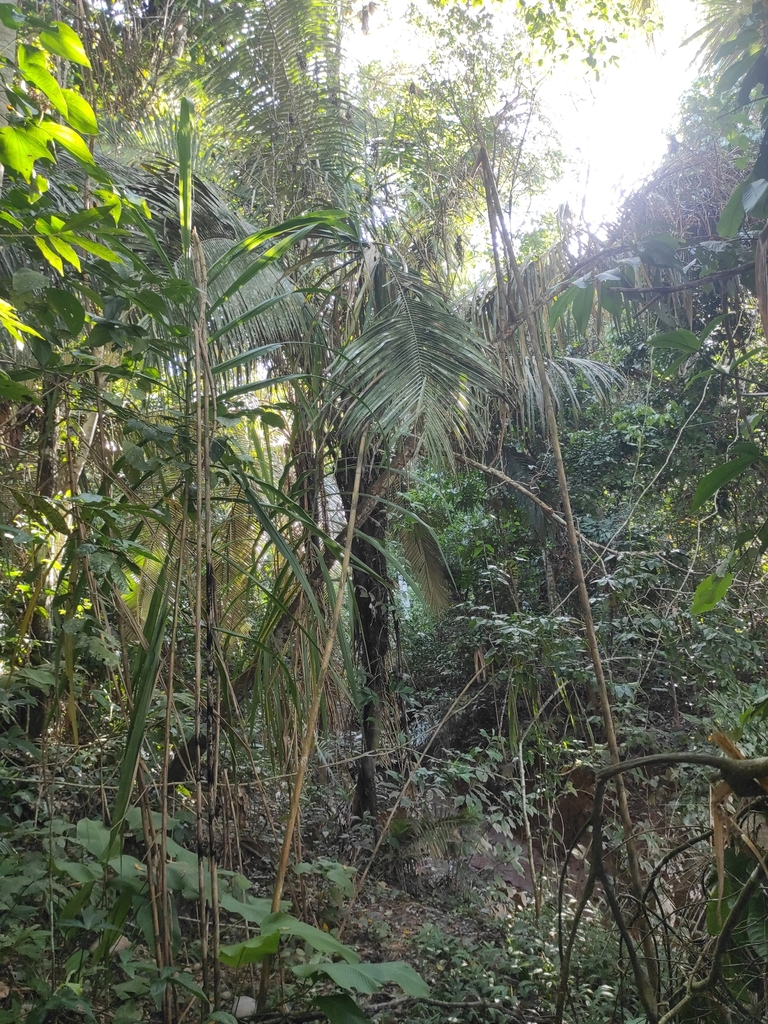
At the same time, I saw the extraordinary abundance of the forest: fruits, nuts, oils, medicinal plants, fibers, and other resources capable of supporting local livelihoods without requiring the land to be cleared.
That raised a simple question: if the land is so rich, why are the strongest economic incentives still tied to its extraction?
The problem is not a lack of resources or entrepreneurship. It is that markets for many forest products remain fragmented and too limited to compete with established extractive industries. VivaTTerra was created around the belief that markets can instead reward stewardship, making standing, productive ecosystems economically valuable to the people who depend on them.
In late 2025, I was introduced to Samay O2 – Amazon Recovery, a non-profit supporting the conservation of land through agroforestry systems and the processing infrastructure that supports them. Thanks to Samay O2, we are working toward offering açaí powder as our inaugural product. Looking ahead, Samay O2-linked systems may also involve restoration, agroforestry, and other productive land-use systems designed to rebuild ecological function.
Açaí is just the beginning. The broader vision is a marketplace for products from forest-based and agroforestry production systems that increase the economic value of living landscapes, creating a positive feedback loop between the wellbeing of local communities and the ecosystems they call home.
- Ashe, K. (2012). Elevated mercury concentrations in humans of Madre de Dios, Peru. PLoS ONE, 7(3), e33305. doi.org/10.1371/journal.pone.0033305
- World Health Organization. Mercury and Health. who.int
- Centers for Disease Control and Prevention. Mercury Exposure and Health Effects. cdc.gov